Data-Driven Marketing for Construction: 2026 Guide

Data-driven marketing for construction is the practice of steering campaigns, budgets, and messaging with real numbers from leads, bids, and site traffic instead of gut feel. Contractors, builders, and trade firms apply it to put spend where returns show up and pull it from channels that quietly waste money. The result is a steadier pipeline and marketing you can defend with figures, not opinions.
Why Builders Trust Our Data Work
We’ve run over 750 A/B tests and built more than 90 marketing automations, so reading numbers is daily work for us. Across 180-plus campaigns, our 28 specialists have seen what construction buyers respond to.
Need Help Going Data-Driven?
If your reports feel scattered, we can shape them into one clear digital marketing strategy built on your own figures. Reach out and we’ll flag the data worth tracking first. That’s the fastest place to start.
What Is Data-Driven Marketing for Construction?
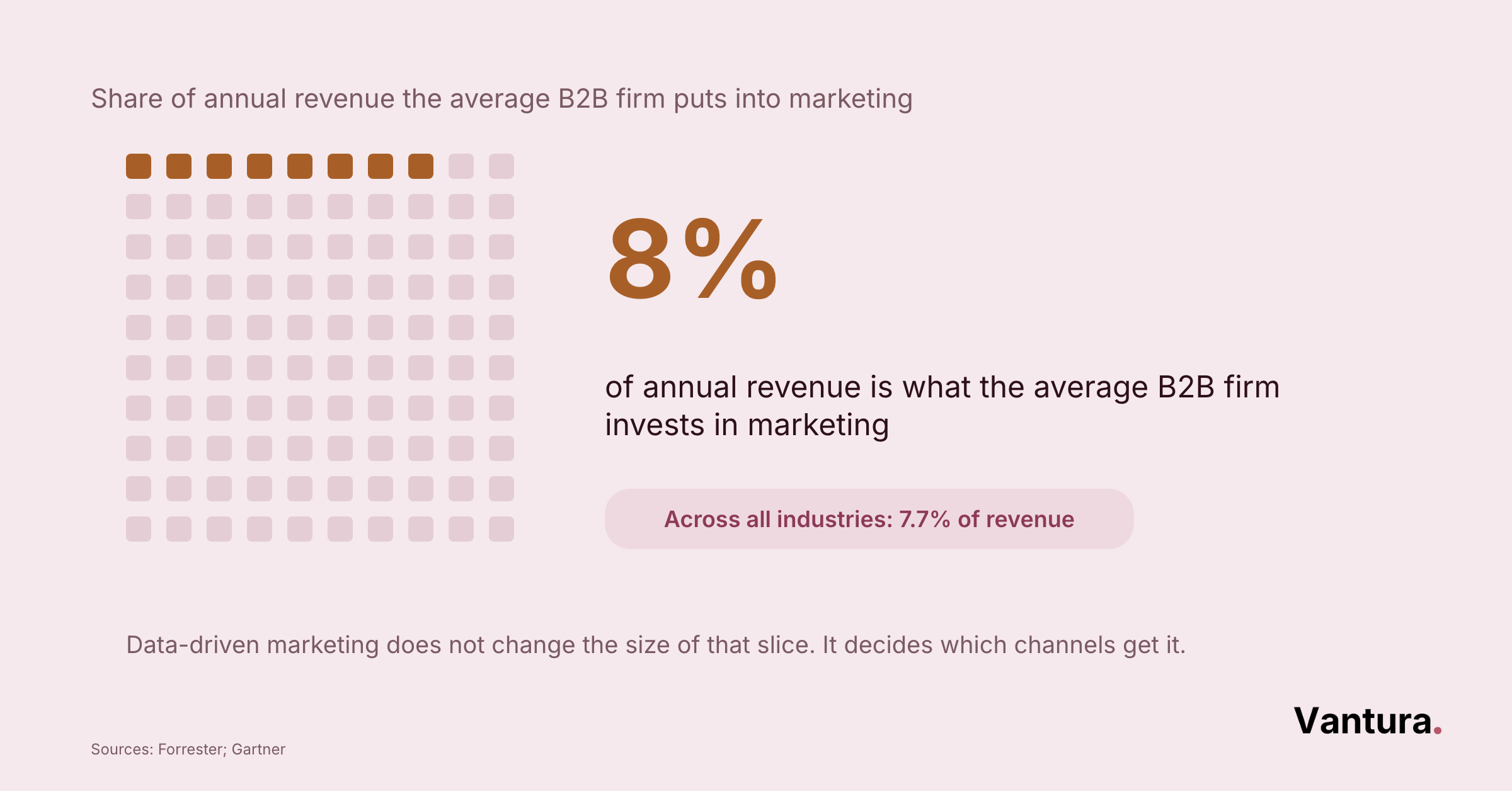
Data-driven marketing for construction is the practice of using measured results from your campaigns, website, and sales pipeline to decide what to fund, fix, or drop. It swaps guesswork for evidence, so every marketing dollar traces back to a real outcome.
Most construction marketing still runs on habit. A firm keeps sponsoring the same trade directory because it always has, not because anyone checked whether it brings qualified leads.
Data-driven marketing flips that around. You track where calls, form fills, and signed bids come from, then move money toward the sources that produce actual work.
The shift is already underway across the built environment. Firms that once relied on referrals alone now watch web traffic and call volume the same way they watch material costs.
Construction selling stays relationship heavy, but the first touch now happens online. That’s why a solid construction digital marketing strategy leans on data from the very first click.
Why Gut Feel Falls Short on Bigger Bids
One good referral can hide months of weak marketing. When a single large project lands, it’s easy to credit the wrong channel and keep funding it.
Numbers break that illusion. In our experience, contractors who track lead sources for even one quarter usually find that two or three channels drive most of their booked work.
Quick definition: Data-driven marketing for construction means letting measured results, not habit, decide where your budget goes. Track the source of every lead, weigh it against the revenue it brings, and shift spend toward what wins real projects.
Which Marketing Data Should Construction Firms Track?
Construction firms should track lead sources, cost per lead, bid-to-win rates, website behavior, and customer records tied to revenue. The goal is a short list of numbers that connect marketing to signed contracts, not a dashboard packed with vanity metrics.
The trap is collecting everything and reading nothing. A cleaner approach starts with a handful of numbers that change a real decision.
Most marketing teams still stop at leads and clicks. 89% of business leaders say personalization built on customer data will be crucial to their company’s success over the next three years, according to Twilio (Segment), and construction firms sitting on unread CRM data are leaving that edge on the table.
The data worth collecting usually falls into a few buckets:
- Lead source: which channel produced each inquiry
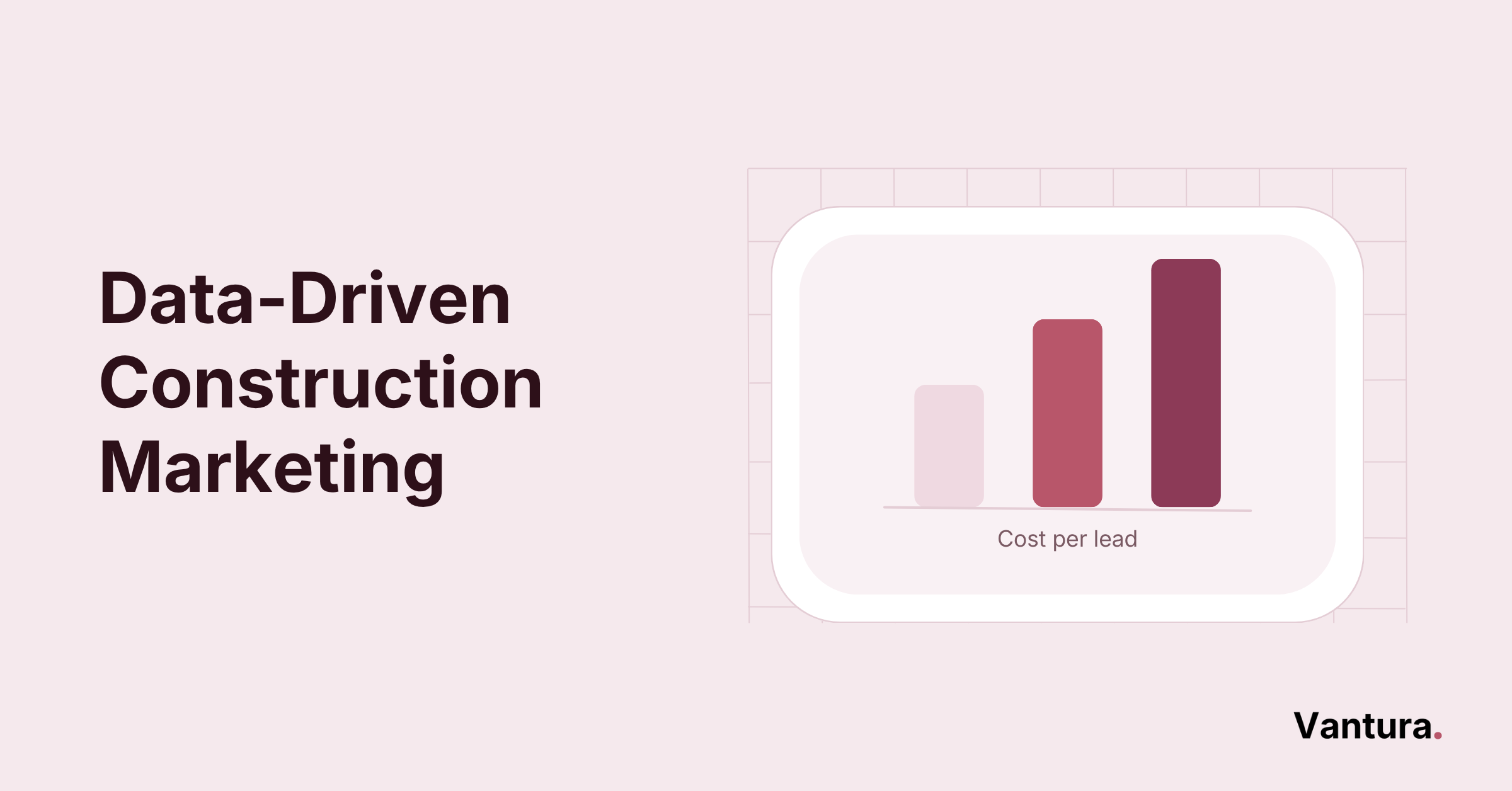
- Cost per lead: spend divided by inquiries, per channel
- Bid-to-win rate: how many quoted jobs close
- Site behavior: the pages viewed before a contact
- Customer records: project type, value, and location
| Data type | Where it usually lives | What it tells you |
|---|---|---|
| Lead source | Analytics and call tracking | Which channels produce inquiries |
| Cost per lead | Ad platforms | Which channels stay affordable |
| Bid-to-win rate | CRM | Which leads turn into revenue |
| Site behavior | Analytics | What buyers read before calling |
| Customer records | CRM | Your best project types and regions |
First-Party vs Third-Party Construction Marketing Data
First-party data comes straight from your own leads, site, and CRM, while third-party data is bought from outside sources and fades fast as privacy rules tighten.
Accurate, yours to keep, and tied straight to buyers who already know your name. It comes from your own leads, site, and CRM.
Rented, less precise, and shrinking as privacy and cookie rules tighten. It’s bought from outside sources, not observed firsthand.
For construction, first-party wins almost every time. Your past bids know your buyers better than any rented list ever could.
Adjacent trades hit the same split. A remodeler doing real estate marketing for agents leans on owned lists far more than purchased ones.
This is data you can act on. Lead source, bid outcomes, and repeat-customer records all point to a real decision.
This is data that looks busy but changes nothing. Raw impressions, generic follower counts, and bounce rates rarely move a construction sale.
Worth tracking: A lead that names the project type and budget beats ten anonymous clicks. Prioritize the data that ties back to a real job, and let the rest sit quietly in the background.
How Do You Build a Construction Marketing Data Stack?
Building a construction marketing data stack means connecting the tools that capture, store, and read your marketing data. Start with a CRM and analytics, add call tracking and a dashboard, then layer in a customer data platform once volume justifies it.
The pieces only help when they talk to each other. Loose tools create silos, which is why integrated marketing setups beat scattered ones every time. In our experience, firms that connect their CRM, analytics, and ad accounts into one stack see a noticeably bigger lift in booked revenue than firms that keep those same tools running in isolation, and a connected stack is what that investment actually buys.
You don’t need all of it on day one. Here’s the order we usually build in:
Step #1: Start with a CRM your team will use
The CRM is the spine of the whole stack. Pick one simple enough that estimators and office staff log every lead without being nagged.
A tool nobody updates is worse than a spreadsheet. Adoption matters more than features here.
Step #2: Turn on analytics and conversion tracking
Next, tag your website so every form fill and quote request counts as a conversion. This links traffic to actual inquiries.
Without it, you’re guessing which pages earn work. With it, the busy pages that never convert become obvious.
Step #3: Add call tracking for phone-heavy trades
Construction buyers still call. Call tracking assigns a number to each channel, so a phone lead ties back to the ad or search that drove it.
Skip this and half your best leads look like they came from nowhere. It closes a real blind spot for trades.
Step #4: Build one dashboard everyone reads
Pull the numbers that matter into a single view the owner checks weekly. One shared dashboard stops five people from arguing over five spreadsheets.
Keep it short. Three or four numbers read often beats twenty read never.
Construction Customer Data Platforms and CDPs
A customer data platform, or CDP, merges records from your CRM, website, and ad accounts into one profile per customer. For a construction firm, that means a homeowner’s site visit, quote request, and past punch-list job sit in a single record instead of three disconnected systems.
Most firms reach for a CDP far too early. Below a few hundred leads a month, a clean CRM and one honest dashboard do the same job for a fraction of the cost, so treat it as the last piece of the stack, not the first.
Field note: We’ve seen contractors buy a customer data platform way too early. Below a few hundred leads a month, a clean CRM and one honest dashboard do the same job for a fraction of the cost.
Which Construction Marketing Dashboards Matter Most?
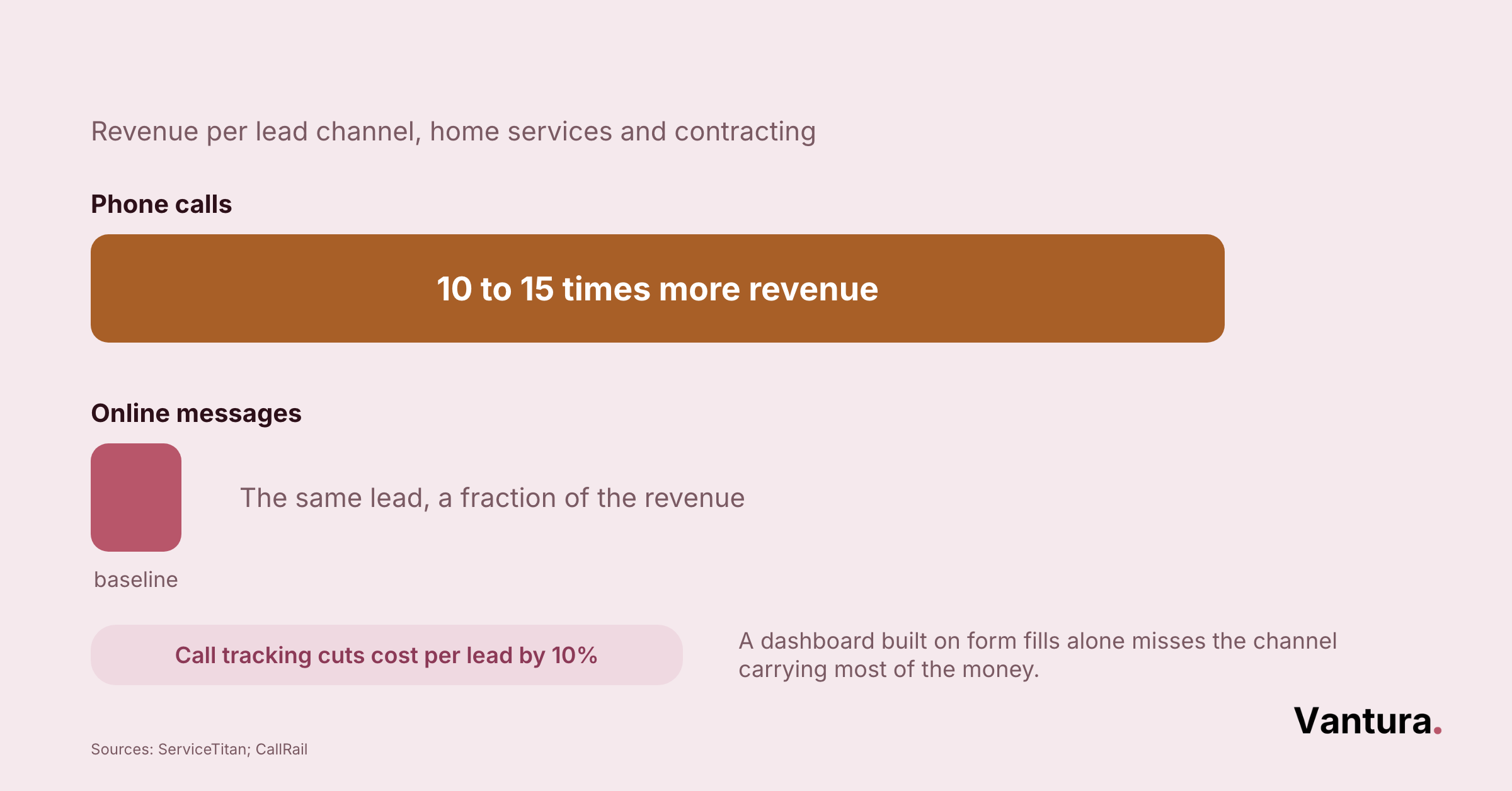
The dashboards that matter show lead flow, cost per lead, and bid pipeline in one place. A good construction marketing dashboard answers three questions fast: where leads come from, what they cost, and how many turn into signed work.
Everything else is decoration. If a chart doesn’t change a decision, it doesn’t belong on the main screen.
If your current view can’t answer those three questions, a quick marketing audit usually finds the gaps before you rebuild anything.
Keep the top of the dashboard to a few living numbers:
- New leads this week
- Cost per lead by channel
- Bids sent and bids won
- Revenue tied to marketing
Dashboards for Owners vs Marketers
Owners want the money view: what came in, what it cost, what closed. Give them a short weekly snapshot and nothing more.
Marketers need the working view underneath it. That layer holds the channel-level detail that shows which ad or page to fix next.
How Can CRM Data Improve Your Construction Campaigns?
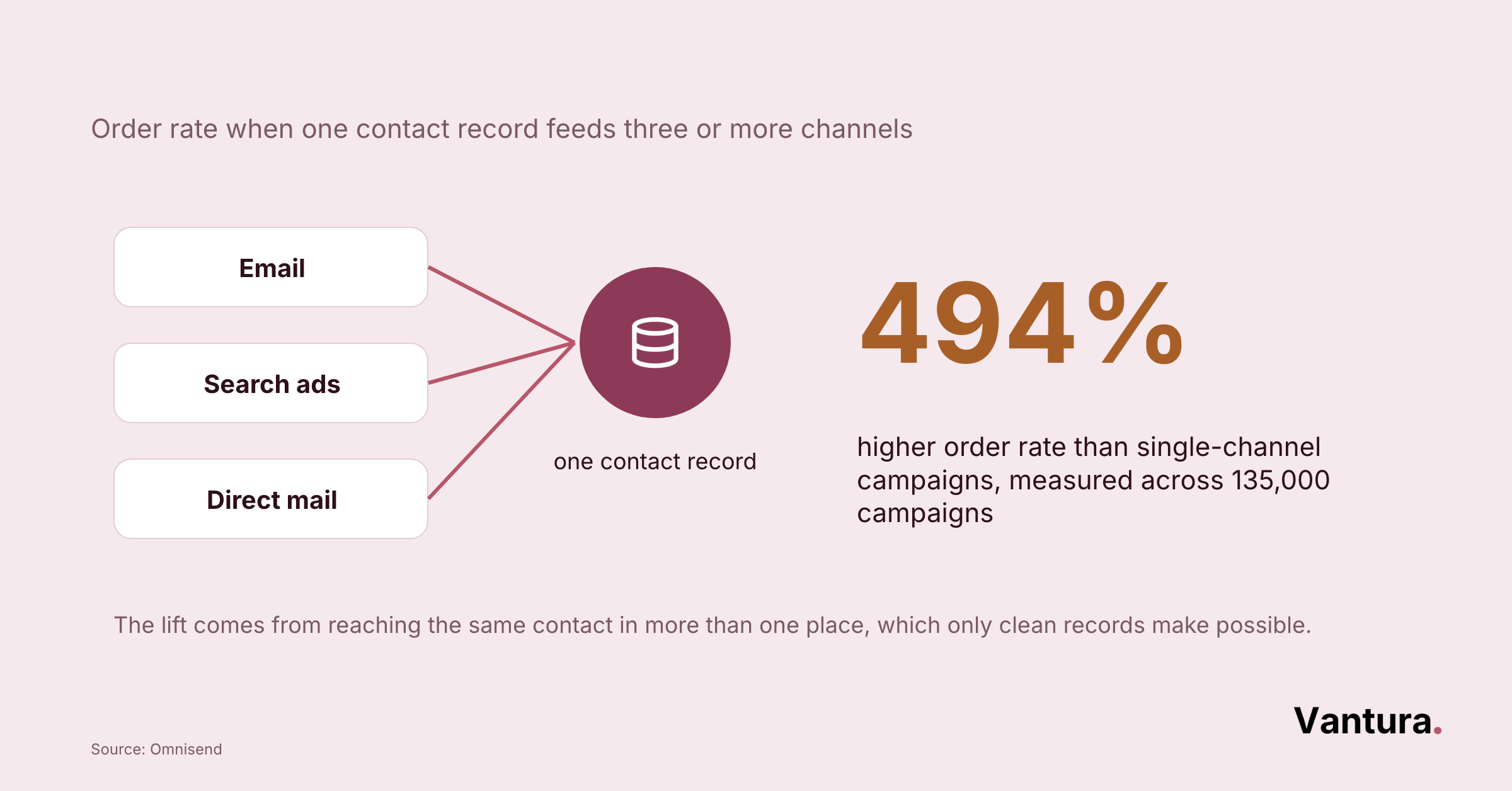
CRM data improves construction campaigns by showing which customers, regions, and project types pay off. Every won and lost bid is a note about the messages and channels worth repeating.
Your CRM already holds the answer. Most firms just never mine it for marketing.
Even a two-person crew can do this well. Sharp small business marketing often beats a big budget because the owner knows every customer by name.
Reason #1: It Shows Your Best Customer Type
Sort closed jobs by value and margin, and a pattern appears. You’ll spot the project type that’s worth chasing harder.
Reason #2: It Reveals Your Real Sales Cycle
Construction deals rarely close in a week. Knowing your true cycle length tells you how long to nurture a lead before writing it off.
Reason #3: It Flags What Brings Repeat Work
Repeat clients and referrals leave a trail in the CRM. Follow it, and you learn which first campaigns quietly created years of work.
Keep in mind: Your CRM is only as smart as the notes inside it. If reps skip the source field, every campaign insight rests on guesswork, so make source and project type required on day one.
Can Predictive Analytics Really Forecast Construction Leads?
Predictive analytics can forecast construction leads when you have enough clean history to learn from. It reads patterns in past bids, seasons, and sources to estimate which leads are worth chasing, though it guides decisions rather than guaranteeing them.
Larger builders get the most from it. An enterprise marketing team with years of records can model demand by region and quarter.
Smaller firms should stay modest here. In maybe half the cases we see, a plain lead-scoring rule beats a fancy model until the data grows.
The honest use is triage, not prophecy. It helps a sales team spend the morning on the three leads most likely to sign.
How Does A/B Testing Improve Construction Marketing?
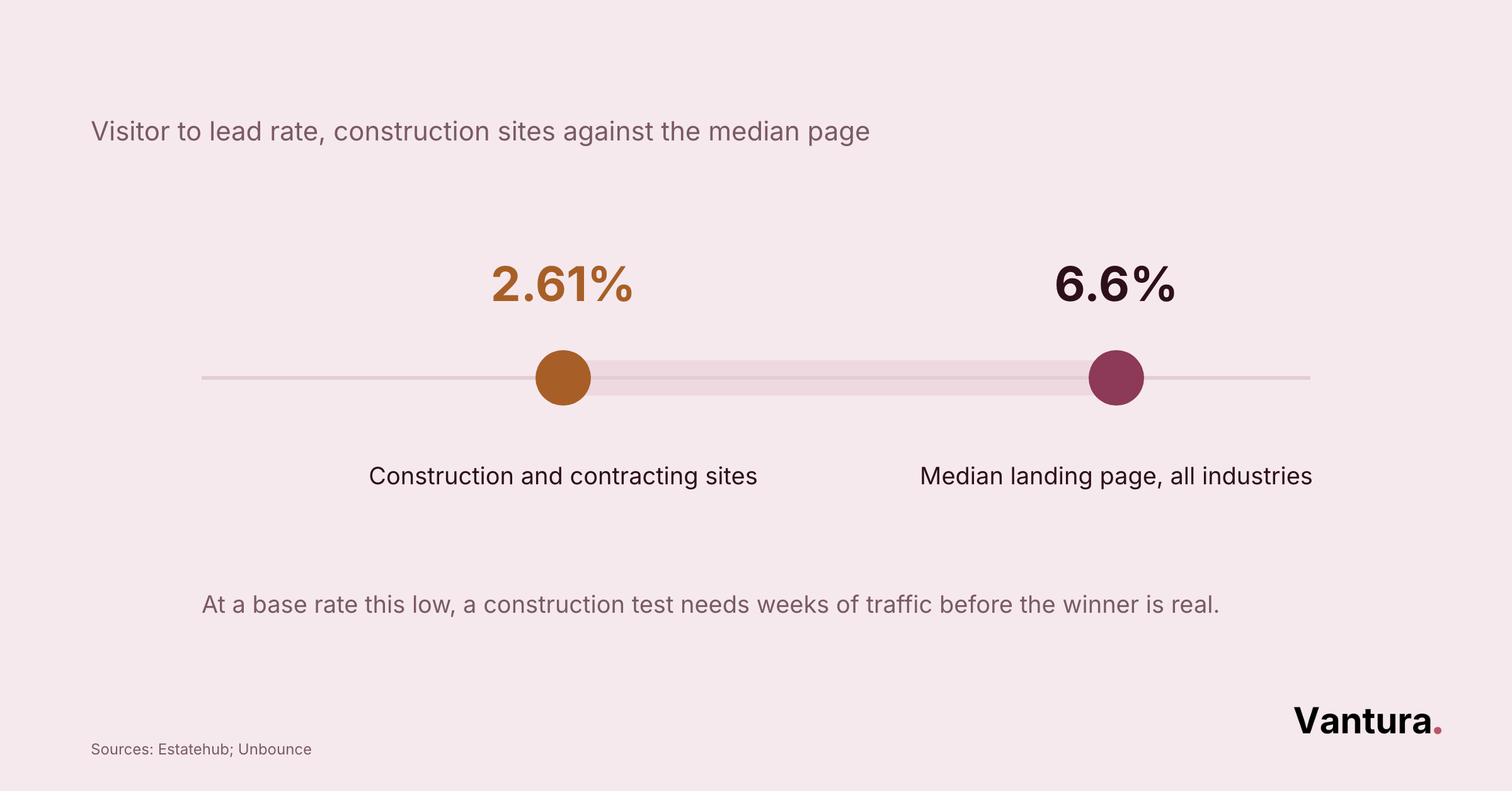
A/B testing improves construction marketing by comparing two versions of an ad, page, or email to see which one wins. It takes opinion out of the debate, so you keep the headline, image, or offer that books more calls.
The catch is patience. Construction volumes are lower than retail, so a test may need a few weeks before the result means anything.
When tests pile up without a plan, results get muddy. That’s where marketing consulting helps set what to test first.
Segmenting Data for Targeted Construction Campaigns
Segmentation splits your audience into groups that behave differently, so a message can fit each one. A commercial GC and a homeowner need very different pitches.
Good segments come from the data you already hold. Start simple and split by:
- Project type, such as commercial, residential, or civil
- Region or service area
- Buyer role, from owner to architect
- Deal size and margin
Rule of thumb: Only test one thing at a time. If you change the headline and the image together, a lift tells you nothing about which one earned it.
Construction Marketing Reporting Frameworks
A reporting framework is a fixed rhythm for who sees which numbers and how often. It turns scattered updates into a habit the whole firm can rely on.
The point isn’t more reports. It’s the right report reaching the right person at the right moment.
| Report | Who reads it | How often |
|---|---|---|
| Lead snapshot | Marketing lead | Weekly |
| Channel cost report | Owner or GM | Monthly |
| Bid pipeline review | Sales and ownership | Monthly |
| Full marketing review | Leadership | Quarterly |
Materials suppliers face the same reporting need. Strong manufacturing marketing reports tie spend to orders the same way construction ties spend to bids.
How Do You Keep Construction Marketing Data Clean?
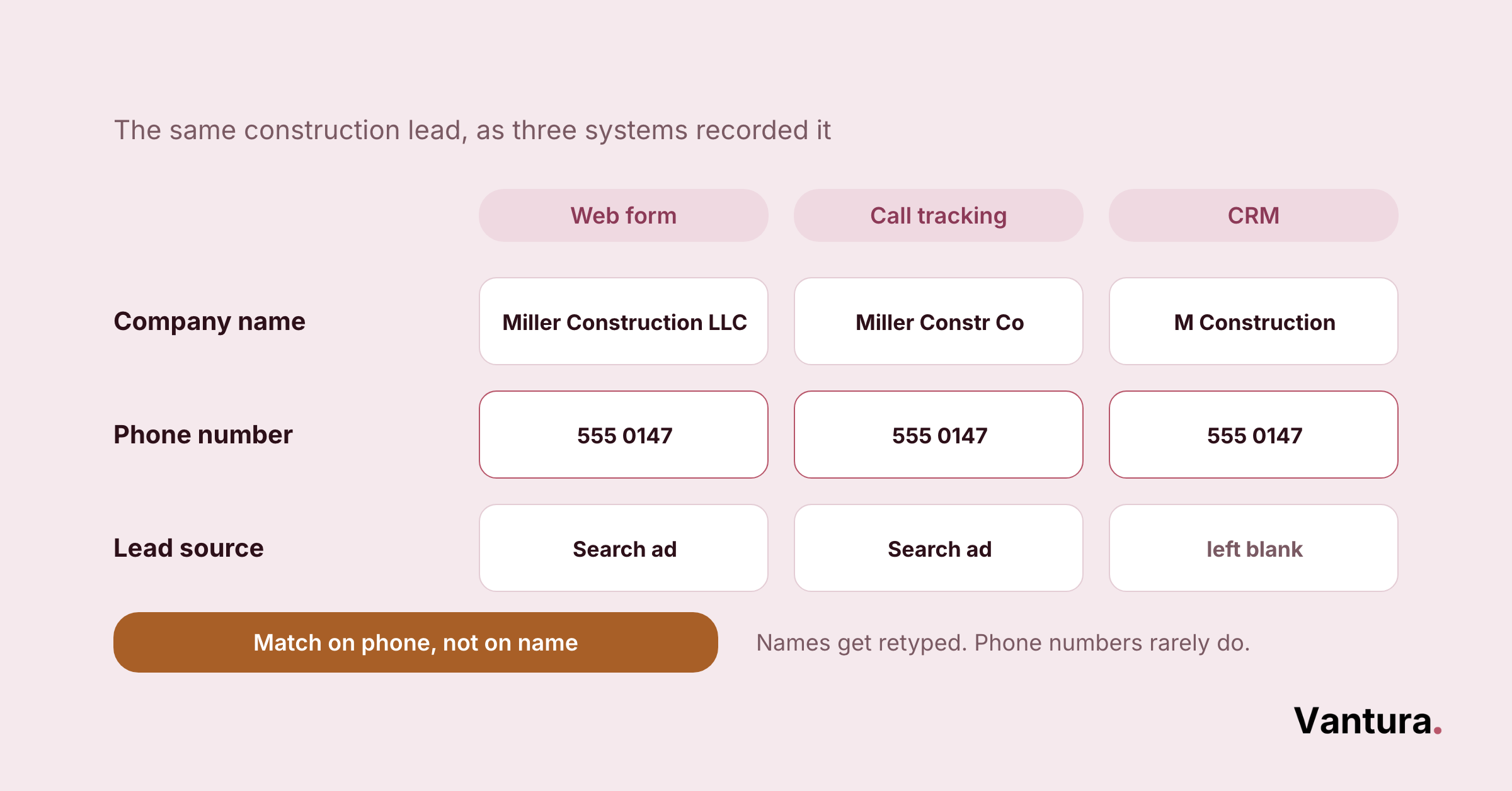
You keep construction marketing data clean by removing duplicates, standardizing how you log leads, and syncing tools so one record doesn’t split across systems. Clean data is the difference between reports you trust and numbers nobody believes.
Dirty data creeps in quietly. Two spellings of one company, a lead entered twice, a blank source field, and soon the dashboard lies.
When nobody owns this in-house, an outsourced marketing team can run the cleanup and keep it tidy over time.
Construction Data Integration Across Marketing Channels
Integration means your tools share one version of the truth instead of arguing. When the ad platform, CRM, and website agree, a lead’s full story stays in one record.
Aim for a few clean connections rather than a wall of them:
- Website forms flowing into the CRM
- Ad platforms sending conversion data back
- Call tracking logged against the right lead
- Email tool synced to the same contact list
Watch out: Duplicate leads skew your reports and cost sales time twice over. Set one rule for how every lead gets logged, and clean the list on a set schedule before it snowballs.
Data Privacy and Compliance in Construction Marketing
Compliance means collecting and using marketing data in ways the law allows, with clear consent and easy opt-outs. It protects your firm from fines and protects the trust of the people who hand you their details.
Construction isn’t exempt from any of this. If you email lists or run tracking pixels, the same rules apply to you.
| Rule | Who it affects | What it asks for |
|---|---|---|
| GDPR | Firms with EU contacts | Clear consent and data access |
| CCPA | Firms with California contacts | Opt-out and disclosure |
| CAN-SPAM | US email senders | Easy unsubscribe and a real address |
| CASL | Canadian email senders | Prior consent to email |
GDPR and CCPA for Construction Marketing Data
GDPR and CCPA both give people a say over their own data. GDPR covers contacts in the EU, while CCPA covers residents of California.
The practical takeaway is simple. Ask before you collect, explain why, and let people see or delete what you hold.
Cookie Consent and Tracking Rules
Cookie consent means asking visitors before you track them across your site. A clear banner with a real choice keeps your analytics honest and legal.
Skip the dark patterns. A forced yes buys you data you can’t safely use.
Email Compliance: CAN-SPAM and CASL
CAN-SPAM in the US and CASL in Canada govern the emails you send. Both want a clear sender, an honest subject line, and a working unsubscribe link.
CASL goes further and asks for consent before the first email. For cross-border firms, that’s the stricter bar to plan around.
Consent Management Platforms
A consent management platform records who agreed to what, and when. It stores that proof so you can show it if a regulator ever asks.
Smaller firms rarely need a heavy one. A reputable consent banner and a tidy record usually cover the basics until you scale.
Bottom line: Consent is a marketing asset, not a chore. Contacts who chose to hear from you open more, complain less, and turn into better leads down the line.
Where Does AI Fit in Data-Driven Construction Marketing?
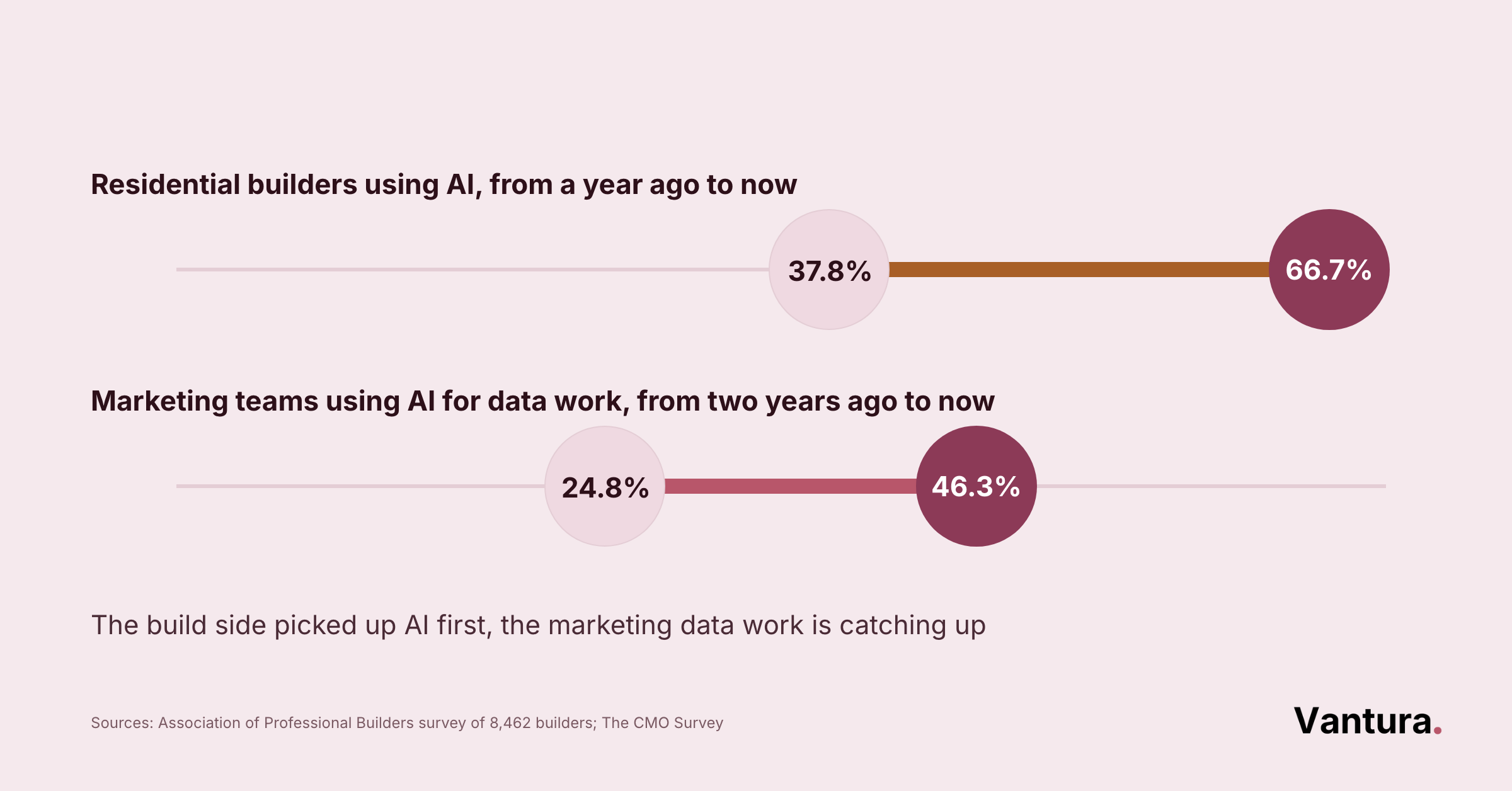
AI fits data-driven construction marketing by reading large piles of data faster than any team could. It drafts copy, scores leads, predicts busy seasons, and flags weak campaigns early, though a human still decides what to act on.
Adoption of AI for this kind of work has jumped fast. In our experience, close to half of the construction marketing teams we work with now lean on AI for at least a first pass at data analysis and reporting, up from almost none two years ago.
The same tools help neighboring trades. In industrial marketing, AI already sorts inbound leads by fit before a rep picks up the phone.
Used well, it removes busywork so your team spends time on judgment. Here’s where it earns its keep and where it doesn’t:
- Strong at scoring leads and spotting patterns
- Handy for first drafts of ads and emails
- Useful for forecasting seasonal demand
- Weak at judgment calls on a big bid
- Poor at any data that’s messy or thin
Treat AI as a fast assistant, not the decision-maker. It’s only as good as the data you feed it, which loops right back to keeping that data clean.
Building a Data-Driven Construction Marketing Culture
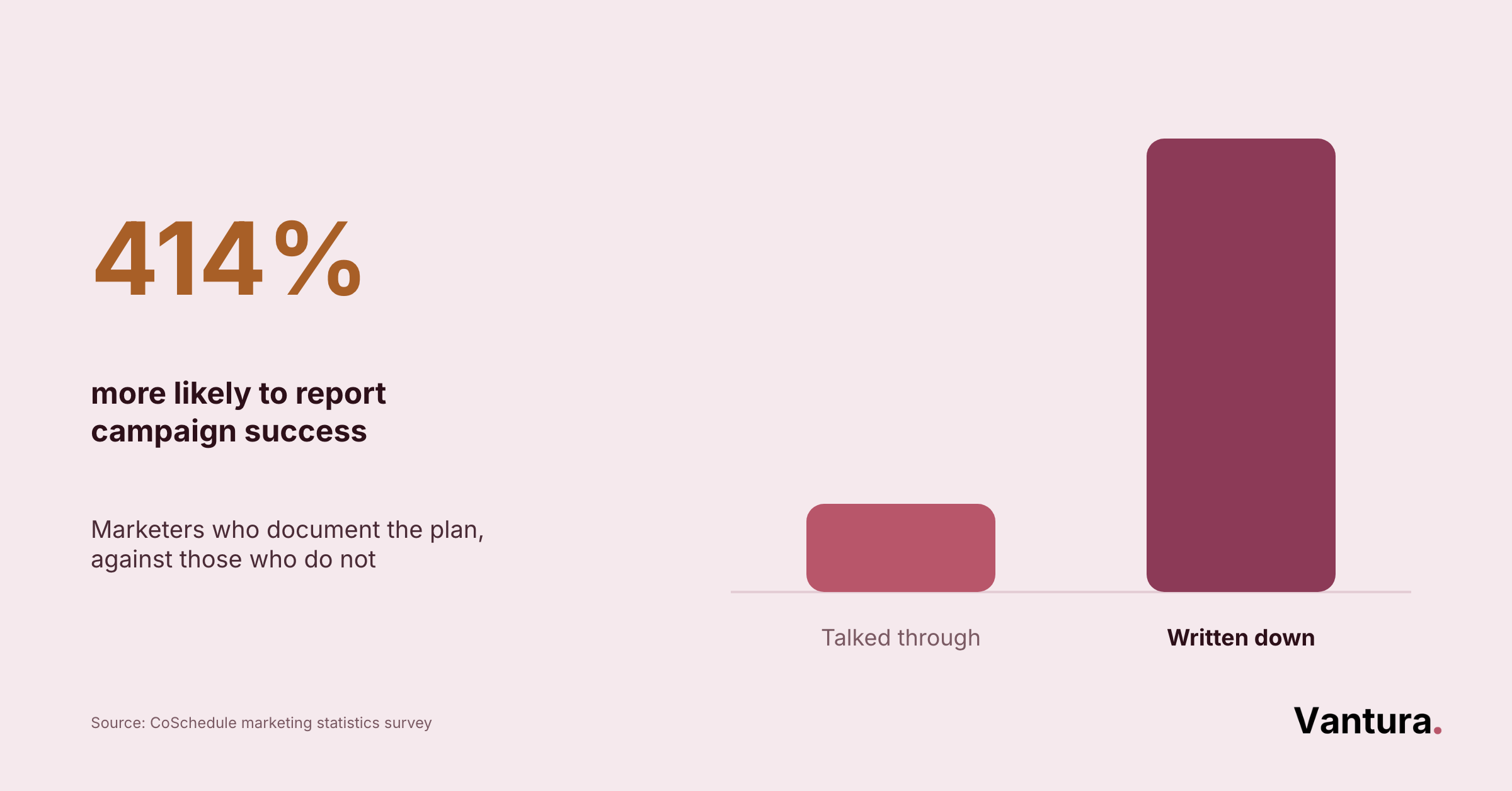
Tools don’t make a firm data-driven. Habits do.
The goal is a team that reaches for a number before an opinion. That shift takes repetition, not a one-time software purchase.
Agencies feel this too. A white-label marketing partner can supply the reports, but the construction team still has to read and use them.
A few small routines build the habit faster than any policy:
- Open every marketing meeting with the same three numbers
- Make one person accountable for the dashboard
- Tie a single decision each month to what the data showed
- Share a plain-language recap the whole crew can follow
Progress here is slow but sticky. In our experience, firms that hold this rhythm for two or three quarters stop debating channels and start trusting the numbers.
Where to start: Pick one number your team argues about, agree on how to measure it, and check it every week for a month. That single habit does more than any new tool on its own.
Disclaimer:This article is provided for general information only and is not legal, financial, or professional marketing advice. Vantura Marketing makes no warranty as to accuracy or results, and readers should consult a qualified professional before acting on privacy, compliance, or marketing decisions.